Solar PV Connection & Protection Manufacturer | WILLING

Product selection by engineering task

PV connection and protection products for solar DC systems

Start with the circuit, installation environment and documentation scope. Then compare the exact connector, protection device or combiner-box model against the project requirements.

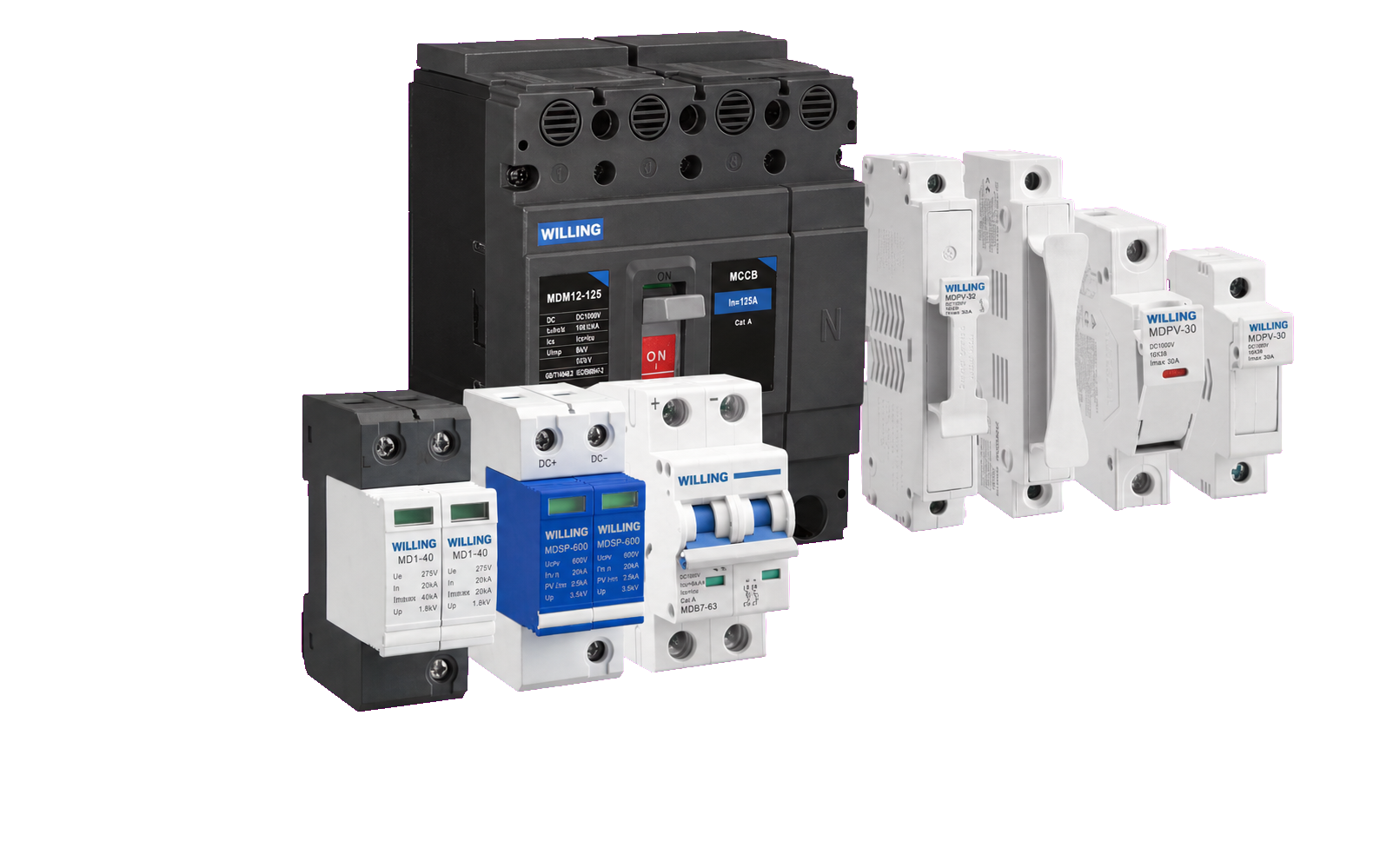
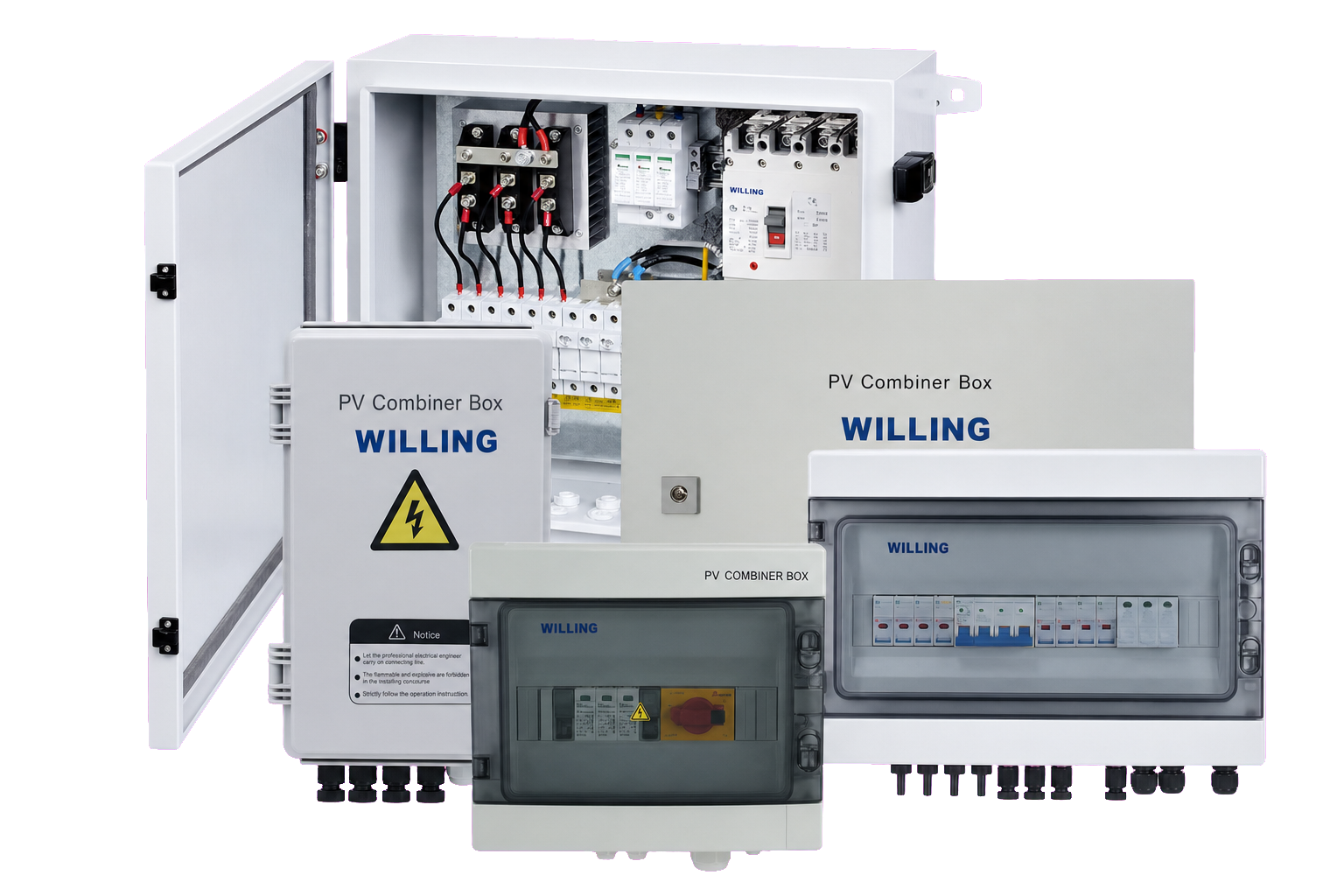
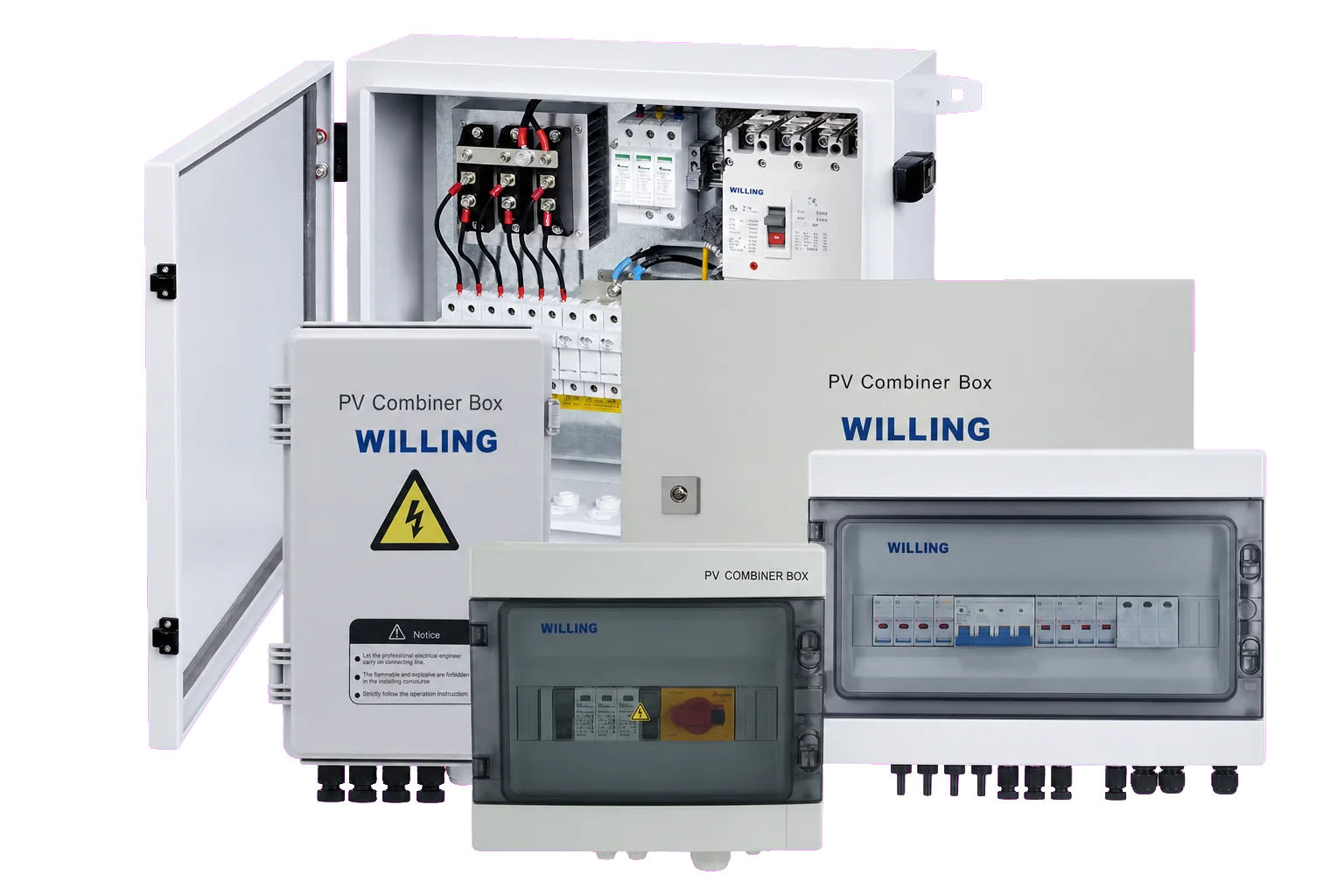
WILLING PV combiner box family for solar DC string collection
PV string collection and protection

PV Combiner Boxes

Define string count, MPPT grouping, cold-corrected string voltage, current, reverse-current risk, protective devices, enclosure and cable entry.

Plan a PV combiner box

Engineering workflow

Move from system data to a verifiable product decision

For EPC, installer and distributor enquiries, the fastest route to a useful answer is a structured technical brief rather than a product name alone.

  1. 01

    Define the circuit

    Provide DC voltage range, operating and fault current, string or MPPT layout, cable size and equipment location.

  2. 02

    Match the component

    Compare connector interfaces, protective-device ratings, pole configuration, enclosure type and installation method.

  3. 03

    Verify the evidence

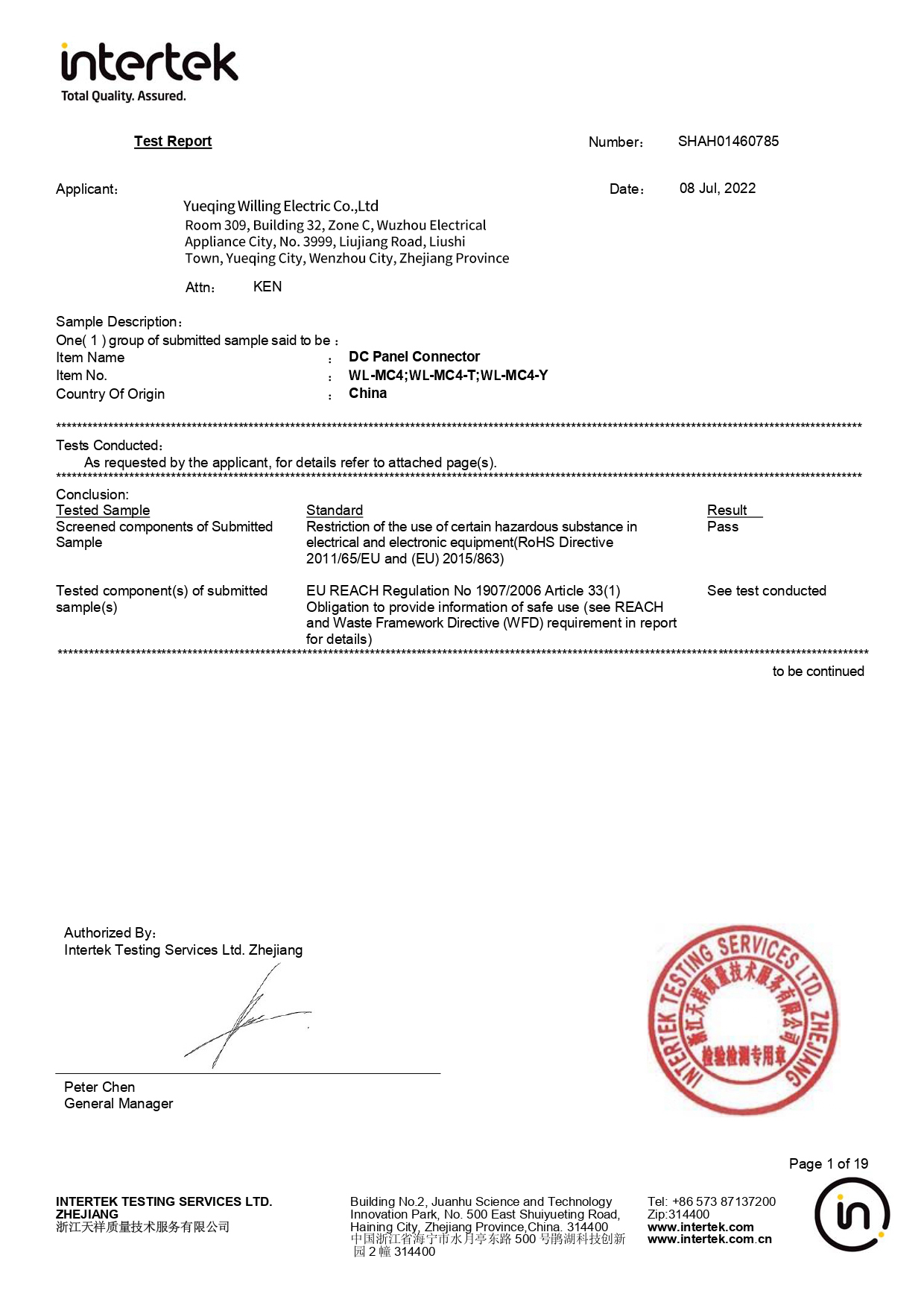
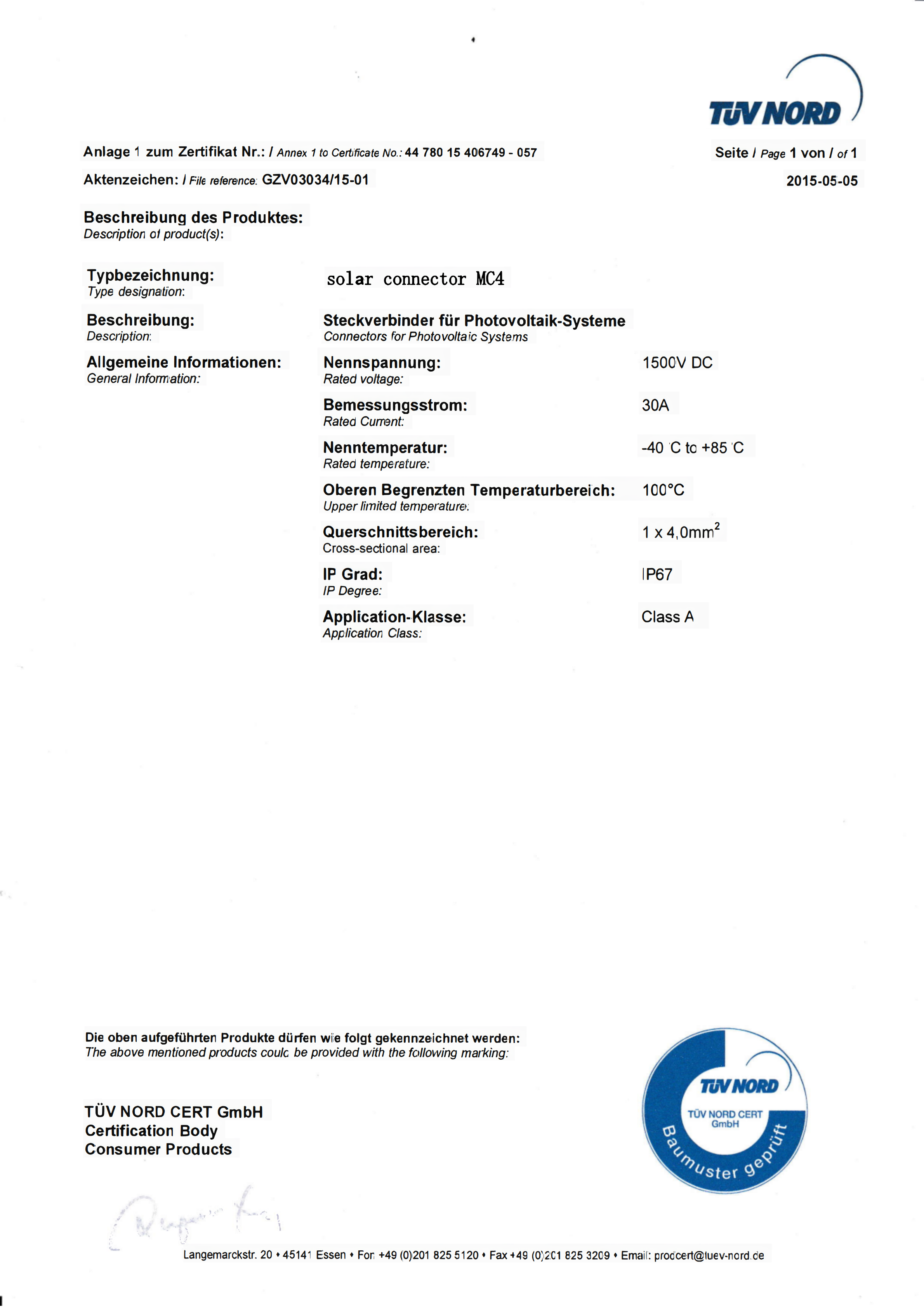
    Request the current model datasheet, drawing, wiring information, certificate scope and project-specific document list.

  4. 04

    Install and maintain

    Control conductor preparation, crimping, torque, polarity, cable support, inspection intervals and replacement compatibility.

Regional project planning

Technical review for Australia, the UAE and global PV procurement

Regional targeting does not replace engineering verification. Exact-model documents and project requirements must be reviewed before compliance or suitability is confirmed.

Australia flagAustralia

Rooftop, C&I and field installation review

Confirm DC system data, connector and cable interfaces, UV and temperature exposure, installation workmanship and the documentation requested by the project authority.

Discuss an Australia project
United Arab Emirates flagUnited Arab Emirates

Heat, dust and enclosure assessment

Review ambient and solar-heating conditions, enclosure thermal performance, cable entries, component derating, service access and destination documentation.

Discuss a UAE project
GLOBALInternational procurement

Model matching and document control

Align product models, quantities, labels, packing lists, drawings and certificate scope with the destination market and the buyer's approval process.

Prepare a procurement brief
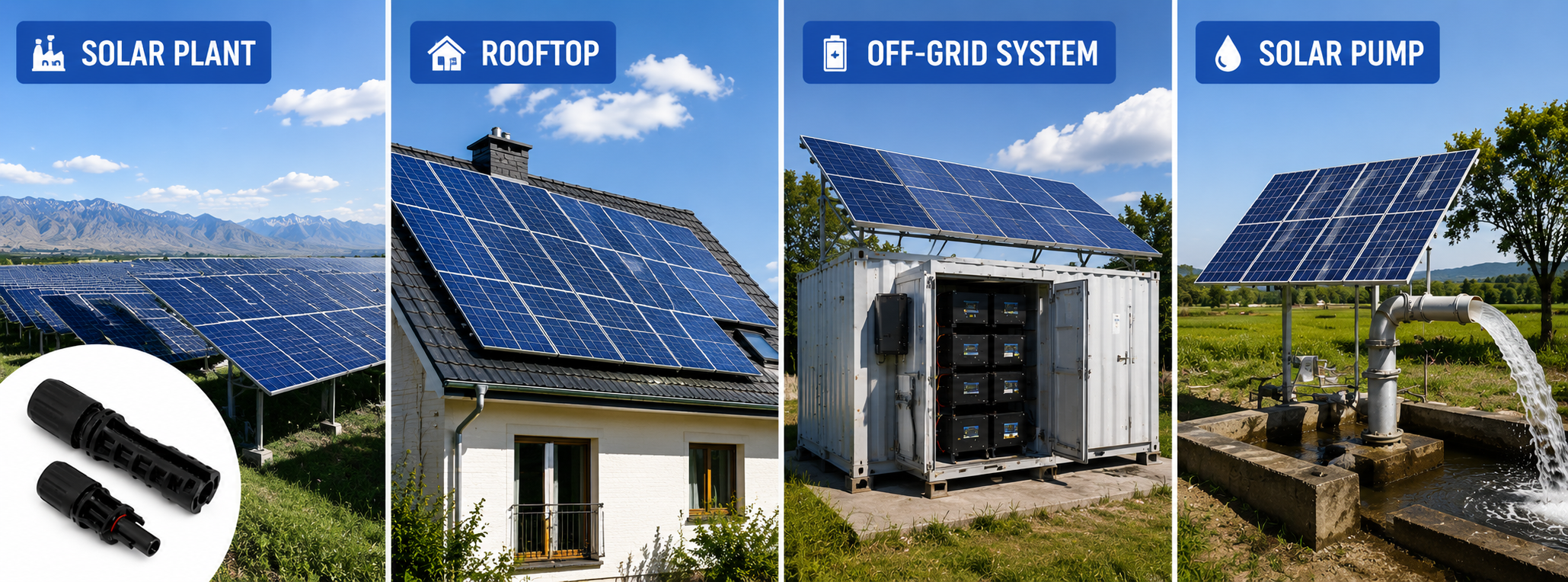
Rooftop, ground-mounted, off-grid and solar pump photovoltaic application scenarios

Application context

Where PV DC connection and protection decisions begin

The same product category can face different electrical, environmental and maintenance requirements depending on the system architecture and installation site.

  • Rooftop PV: cable routing, connector access, fire-safety workflow and weather exposure.
  • Commercial and industrial: string grouping, isolation, maintenance access and documentation control.
  • Utility-scale PV: repeated installation quality, field inspection, combiner strategy and replacement planning.
  • Off-grid and remote systems: enclosure, serviceability, spare parts and logistics.
Explore PV Applications

Manufacturing and evidence

Review production capability together with model-specific documents

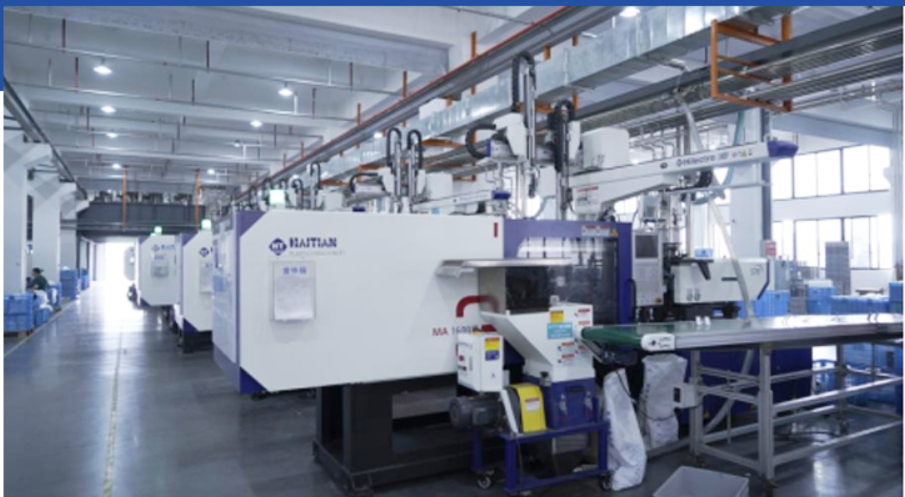
Factory images support supplier evaluation, but they do not replace technical proof. Procurement teams should connect production, inspection and packing capability to the exact product model and document package being purchased.

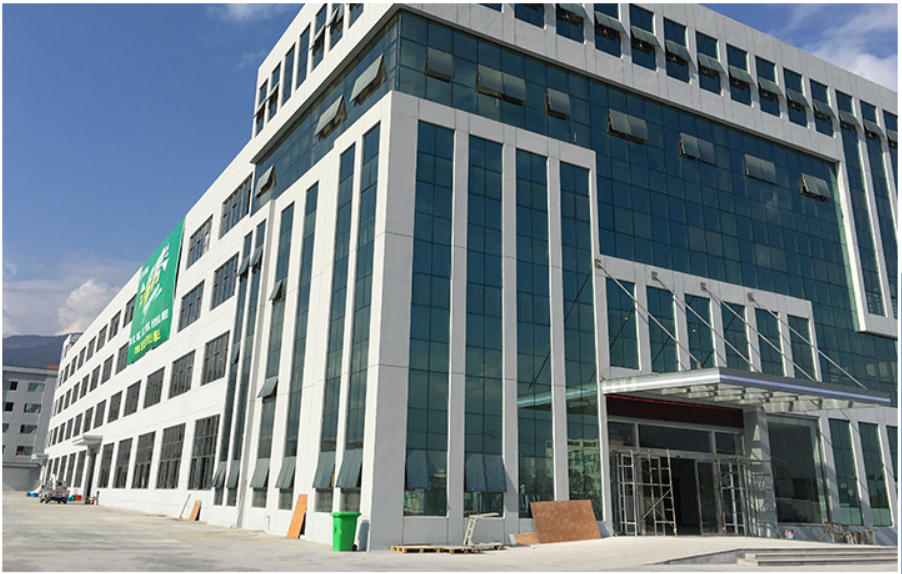
Exterior of the WILLING factory facility
Facility
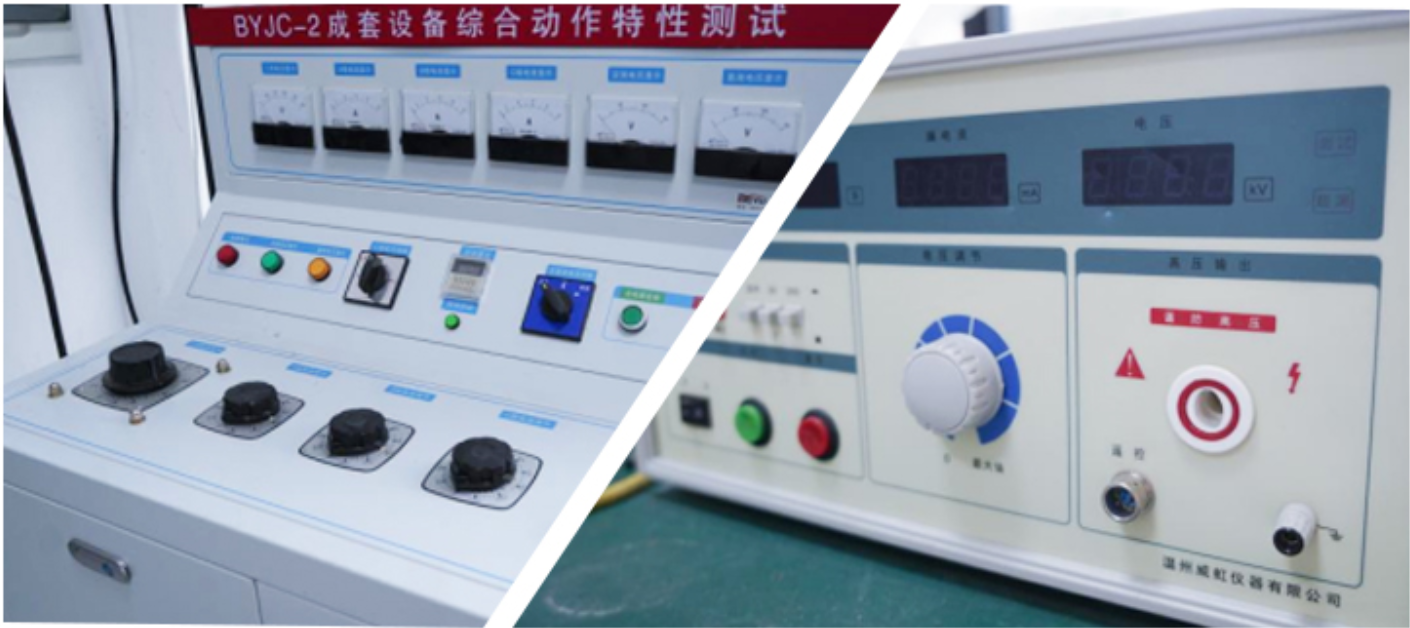
Electrical inspection equipment at the WILLING facility
Inspection
Production equipment inside the WILLING workshop
Production

Procurement checklist

Information to send before requesting a datasheet or quotation

A complete technical brief reduces model mismatches and gives engineering, purchasing and supplier teams a common decision record.

Review areaProvide to the supplierWhy it matters
Electrical systemDC voltage range, current, string count, MPPT grouping and fault conditionsSets the electrical selection boundary.
Connection interfaceCable conductor, cross-section, connector family, mating interface and polarityReduces termination and compatibility errors.
Protection schemeFuse, breaker, SPD, isolator and coordination requirementsConnects component selection to the circuit risk.
Site environmentAmbient temperature, UV, dust, moisture, corrosion, altitude and enclosure locationSupports environmental and thermal review.
DocumentsDatasheet, drawing, wiring diagram, certificate scope, labels and packing requirementsCreates a verifiable approval package.
Commercial dataQuantity, destination, schedule, packaging and sample requirementsImproves quotation and logistics accuracy.

Technical FAQ

Common PV connection and protection questions

Short answers help engineers and AI search systems identify the next technical step. Exact values still require the current product documents.

View all technical questions
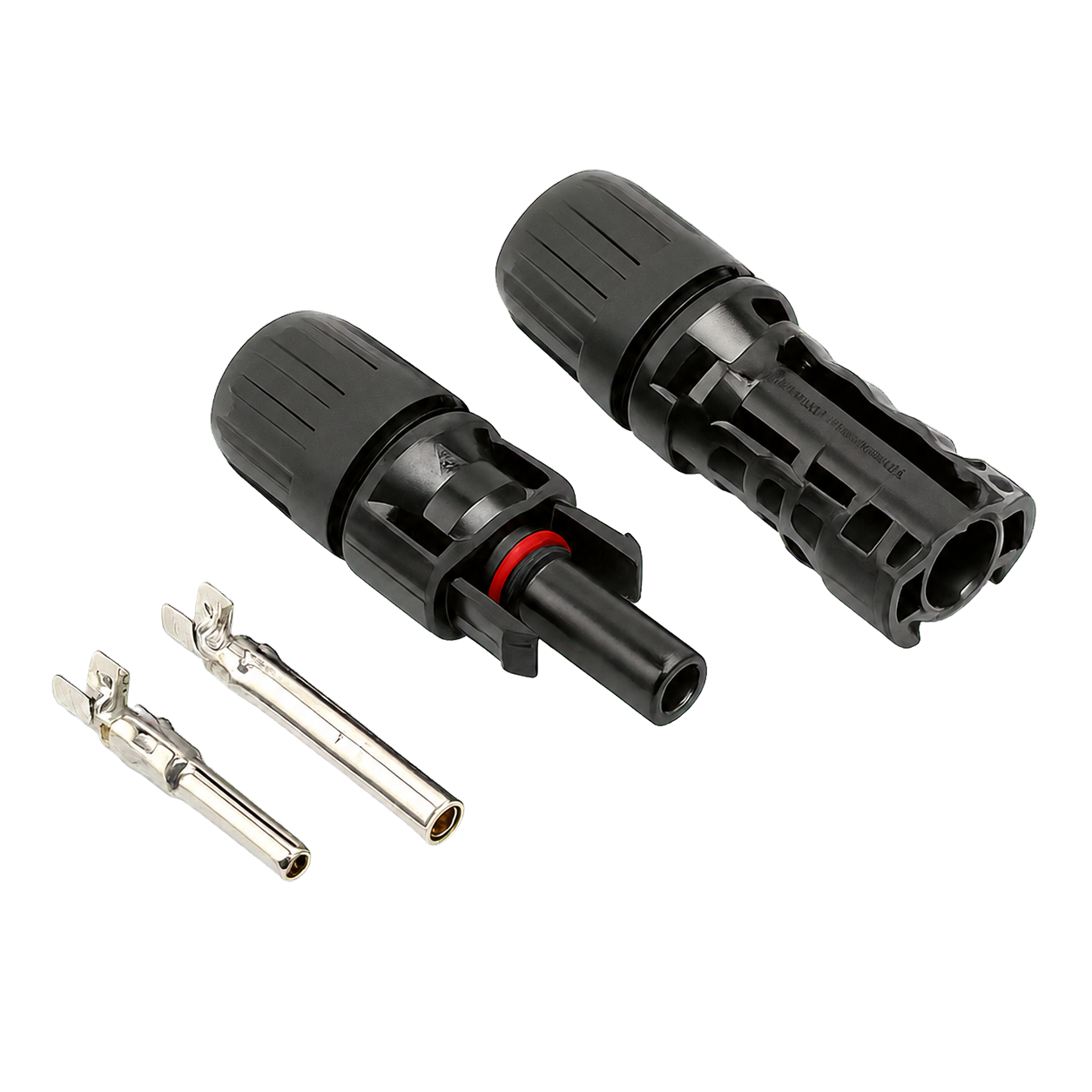
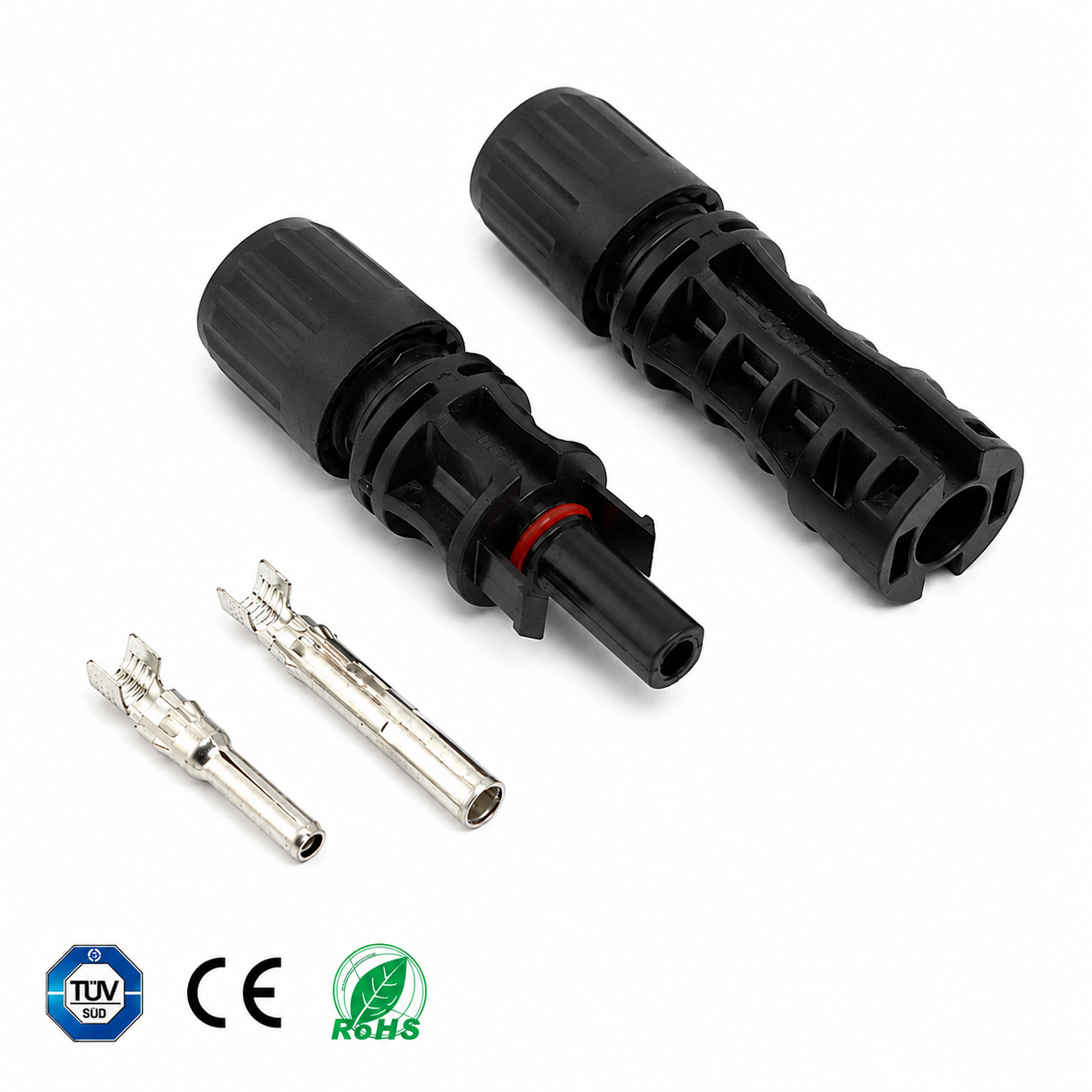
What information is needed to select an MC4 solar connector?

Provide system voltage, operating current, cable conductor and cross-section, mating interface, installation environment, termination method and required exact-model documents.

How should a PV combiner box be selected?

Start with cold-corrected string open-circuit voltage, string short-circuit current, reverse-current risk, string and MPPT grouping, fuse strategy, SPD coordination, DC switching, enclosure and cable entry.

What should a buyer request before approving a PV component?

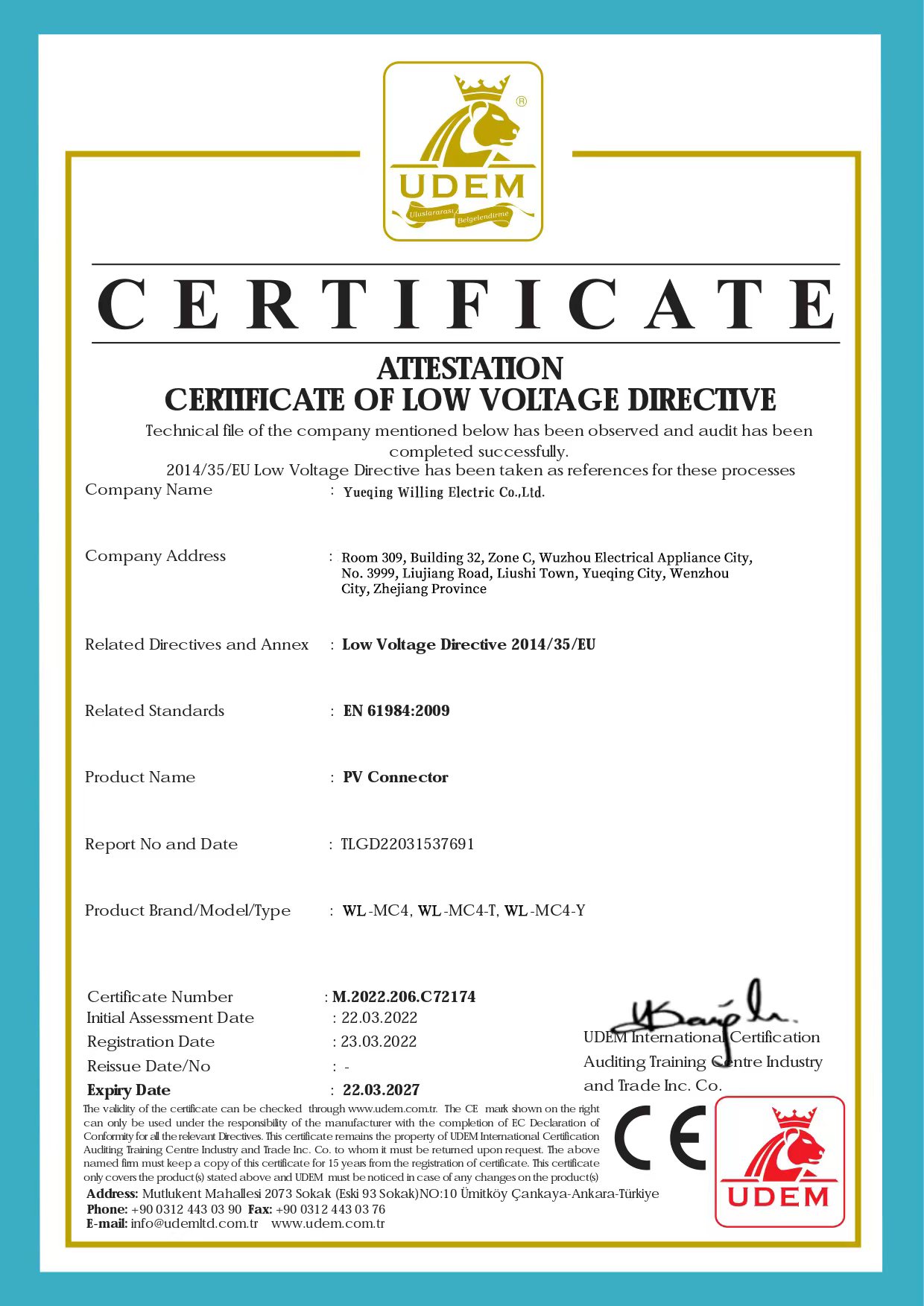
Request the current datasheet, dimensional drawing, wiring information, installation instructions, exact-model certificate scope, labels, packing details and any project-specific test evidence.

Can one product be assumed suitable for both Australia and the UAE?

No. Electrical design, ambient conditions, installation practice, project specifications and local approval requirements must be reviewed for the exact model and site.

How can installers reduce connector failures?

Control cable preparation, compatible tooling, crimp quality, polarity, full mating, cable support, contamination, torque where applicable, inspection and replacement compatibility.
Start with your project data

Send the circuit, environment and document requirements

WILLING can use the brief to route your request toward a product family, datasheet review, sample discussion or quotation.

WhatsApp